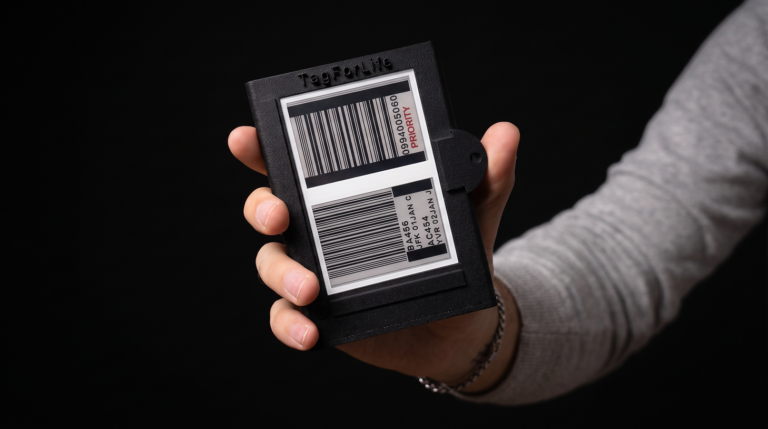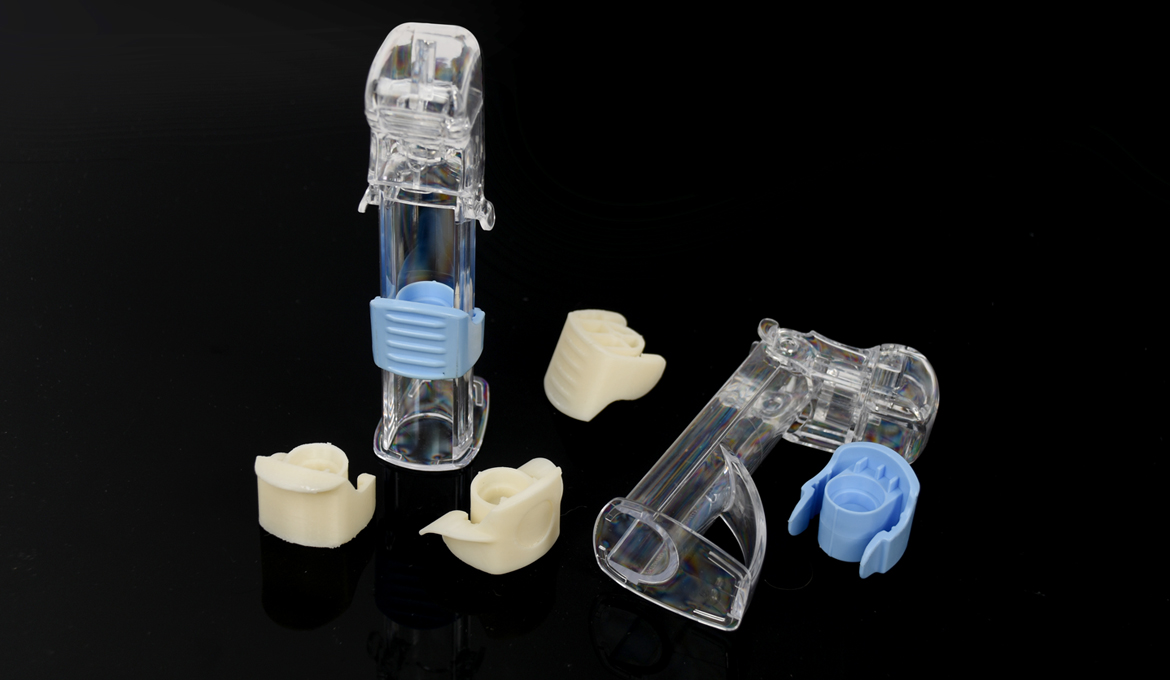
Medical device development works under constraints most industries don’t face. Designs must be documented and traceable, usability matters as much as function, and any part that contacts a patient has to meet strict material and regulatory requirements.
3D printing has become a valuable tool in that process because it lets development teams test ideas quickly and cheaply long before they commit to tooling. This guide explains where FDM 3D printing fits in medical device development, what it’s well suited to, where its limits are, and how to get the most from it.
Where 3D printing fits in medical device development
A typical development programme moves through several stages, and printed parts are useful at most of them:
- Concept models: quick physical models to explore form, size and layout, and to share ideas with clinicians, users and investors.
- Ergonomic and usability prototypes: handles, grips, housings and controls that users can hold and try, so feedback comes early when changes are cheap.
- Fit and assembly prototypes: checking that components, electronics and batteries fit together before tooling is made.
- Functional prototypes: mechanisms, clips, hinges and enclosures tested in tough materials such as PETG, ASA or carbon fibre nylon.
- Test fixtures and jigs: rigs for holding parts during testing, inspection and assembly.
- Pre-production samples: small batches for internal evaluation and design reviews.
For a broader comparison of when to print and when to invest in tooling, see 3D printing vs injection moulding.
Materials for medical device prototypes
We print in-house using FDM, with PLA, PETG and ASA as our standard materials and engineering materials available on request:
| Material | Good for in medical development |
|---|---|
| PLA | Concept models, size and layout checks, presentation models |
| PETG | Functional housings, clips and covers; tough and moisture resistant |
| ASA | Robust housings and parts that need higher heat resistance |
| Polycarbonate (PC) | Strong, stiff, impact-resistant mechanical parts |
| PC FR | Flame-retardant enclosures for mains-powered equipment |
| TPU | Soft-touch grips, seals, bumpers and flexible parts |
| PA6-CF | Stiff, strong mechanisms, test fixtures and tooling |
See our engineering materials guide for more detail on each.
What about biocompatible materials?
Parts that contact patients’ skin, tissue or fluids, or that form part of a breathing or fluid pathway, usually need materials with documented biocompatibility, assessed under standards such as ISO 10993 (biological evaluation of medical devices).
Our standard and engineering materials are not certified as biocompatible. They’re well suited to the many prototypes that don’t contact patients, such as concept models, usability rigs, housings for internal testing, assembly checks and test fixtures. If your prototype needs a certified biocompatible material, tell us what it is for. We’ll advise whether we can source a suitable grade, or whether another process or supplier would suit that part better.
It’s also worth remembering that material certification is only the starting point. The finished device manufacturer is responsible for confirming the suitability of every material in the final product, and processing, finishing and assembly all affect how a finished part performs.
Compliance considerations for prototypes
- Documentation: record the material, colour, print settings and revision for each prototype, so test results can be traced back to a specific build.
- Consistency: repeat batches are printed to the same settings, which helps when several units are used for comparison testing.
- Design intent: remember that a printed part’s properties differ from a moulded part’s. Use prototypes to answer specific questions about form, fit and function, rather than as final proof of production performance.
- Confidentiality: medical projects are often commercially sensitive. We’re happy to sign an NDA before you share any files. See confidentiality and NDAs.
How the prototyping process works
- Send your design. Upload STL, STEP, STP, IGS, OBJ or 3MF files through our quote form. No CAD yet? Send drawings, photos or a description.
- Material selection. Tell us the stage of development and what the prototype has to do, and we’ll recommend a material.
- Quote and review. We review the files and flag anything likely to cause problems, such as thin walls or features that will be weak along the layers.
- Printing. Most orders are printed and dispatched within 3 to 5 working days, with typical accuracy of ±0.2 mm. See our tolerances guide.
- Finishing. Threaded inserts, assembly, UV laser marking and paint finishing are available, so prototypes arrive ready to evaluate. See secondary processes.
- Iterate. Change the design, reprint and test again.
Typical medical development applications
- Device housings and enclosures: checking the fit of electronics, batteries and displays. See 3D printed electronic enclosures.
- Handheld device ergonomics: testing grip, weight balance and button placement with users.
- Mechanisms: hinges, latches, dials and clips in tough materials.
- Test rigs and fixtures: holding devices during verification testing, inspection or assembly.
- Demonstration models: for investors, clinicians and trade shows.
Talk to us about your project
We work with product designers, development teams and engineers across the UK. Whether you need a single concept model or a batch of functional prototypes, tell us what you’re developing and what each prototype needs to prove. Get a quote or call 0116 262 5737.