


The Secret to High-Quality Custom Parts with 3D Printing Services
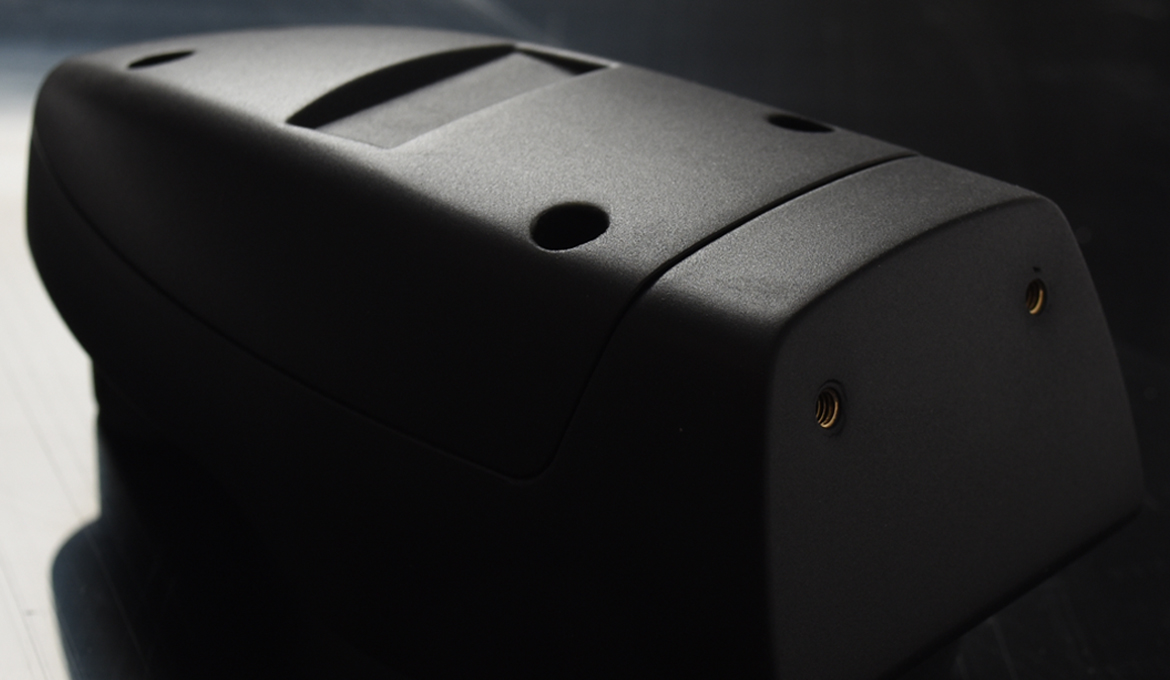
As technology continues its transformative impact on manufacturing, 3D printing has emerged as an indispensable asset, renowned for delivering precision and complexity beyond the reach of traditional methods. This transformation transcends the mere novelty of printing three-dimensional objects; it signifies an evolution in product design, prototyping, and market introduction, characterised by exceptional quality and efficiency.
In recent years, 3D printing technologies such as Fused Deposition Modelling, Stereolithography, and Direct Metal Laser Sintering have dominated the field, each possessing unique capabilities to meet specific industrial requirements. From the strategic selection of materials to mastering the intricacies of cutting-edge technologies, businesses are now positioned to innovate and excel within a diverse landscape of possibilities. Furthermore, the integration of consultative quoting ensures that communication with providers is optimised, facilitating a seamless transition from concept to creation.
This article unveils the strategies necessary for achieving high-quality custom parts through 3D printing services. We will explore the critical importance of selecting appropriate processes and materials, harnessing modern technologies, and emphasising scalability and specialisation in production. Whether your focus is on carbon-neutral printing or gaining insights into rapid prototyping via online marketplaces, discover the pathway to transforming prototypes into production-ready masterpieces, meticulously tailored to satisfy industry-specific demands.
Understanding 3D Printing and Its Importance
3D printing is revolutionising how industries approach manufacturing and prototyping. With technologies like FDM, SLA, SLS, and MJF, the reach of 3D printing has expanded beyond mere rapid prototyping to include higher-volume production in sectors such as automotive, medical, and electrical. The ability to create a diverse array of items—from functional prototypes and manufacturing tools to artistic pieces and full-scale models—is made possible through services like 3D laser scanning.
A crucial aspect of 3D printing is part orientation, which significantly impacts the quality and speed of production, crucial for rapid prototyping applications. Material selection is equally important, as it influences resistance, durability, and aesthetics, thereby ensuring design requirements are met.
One of the key advantages of 3D printing services is their flexibility. With no minimum purchase requirements, users can initiate projects even on modest budgets. This economic feasibility allows for both prototype development and low-run production, meeting various industrial demands efficiently.
|
Advantages of 3D Printing |
|---|
|
Cost-effective solutions |
|
Flexible production options |
|
Diverse material selection |
In conclusion, 3D printing is a cornerstone of modern manufacturing, offering innovative solutions that are both versatile and efficient.
Overview of 3D Printing Processes
3D printing processes have evolved to cater to diverse industrial needs, offering enhanced flexibility and precision across various applications. The layer-by-layer additive process intrinsic to 3D printing facilitates exact material deposition, enabling manufacturers to optimise internal structures and improve load-bearing capabilities. Industrial technologies such as SLA, SLS, and MJF have not only expanded the potential for higher-volume production but also transformed the tooling sector, particularly within the automotive, medical, and electrical industries. By introducing cost-effective solutions for injection moulding, 3D printing reduces the overall expenses of mass production. Furthermore, the ability to produce customisable products in variable quantities underscores the flexibility of 3D printing, which traditional manufacturing methods like injection moulding often lack. Within this transformative landscape, support structures play a vital role, ensuring that overhanging materials maintain their correct position and remain free from deformation during production.
Fused Deposition Modeling (FDM)
Fused Deposition Modelling (FDM) stands out among 3D printing technologies due to its speed, precision, and competitive pricing. This method constructs items by heating and extruding thermoplastic materials layer-by-layer, producing robust three-dimensional objects. Commonly used thermoplastics include ABS, TPU, PEI, and PETG, each chosen for distinct properties that suit various manufacturing demands. The process involves the precise extrusion of melted plastic filament, resulting in parts that serve well as strong prototypes or functional components. FDM’s low setup costs make it particularly appealing for rapid prototyping, enabling businesses to produce models quickly without significant financial commitment. This capability positions FDM as an indispensable tool in the prototyping phase, accommodating changes in design and facilitating the rapid development of innovative products.
Direct Metal Laser Sintering (DMLS)
Direct Metal Laser Sintering (DMLS) employs a fibre laser system to precisely weld atomised metal powder into solid, dense metal parts. This metal 3D printing process, highlighted at Protolabs, offers an advanced approach to fabricating complex metal components without the traditional machining steps. The DMLS technique involves targeting the laser onto the surface of atomised metal powder, constructing intricate 3D shapes layer-by-layer. This method is invaluable for industries that demand metal parts with high accuracy and complex geometries, allowing manufacturers to innovate without the constraints imposed by traditional processes. Whether for aerospace, automotive, or medical applications, DMLS offers a pathway to creating detailed components that meet rigorous performance standards.
Selective Laser Sintering (SLS)
Selective Laser Sintering (SLS) uses a laser to fuse powdered materials, creating parts with notable durability and industrial strength. Ideal for mechanical prototypes and low-volume batch production, SLS adeptly handles complex geometries, interior features, and undercuts with nearly invisible layer lines. As a cost-effective alternative to injection moulding, it delivers accuracy and durability while being economically viable for prototyping. The process typically uses materials like PA12 Nylon, which are available in white or dyed black, offering significant strength for varied applications. 3D printing factories specialising in SLS have developed expertise in fast prototype production and creating end-use parts, providing diverse surface finishes and precise colour matching to meet specific client needs.
Multi Jet Fusion (MJF)
Multi Jet Fusion (MJF), an HP powder-based 3D printing technology, is distinguished for its efficient use of resources and cost-effectiveness. By employing an inkjet array, MJF selectively fuses sections across a bed of nylon powder, layer by layer. This process continues as new powder layers are added, gradually building the desired component. MJF shines in automotive applications, as demonstrated by its use in the British Touring Car Championship by Team BMW, where it significantly reduces manufacturing costs, sometimes by as much as 50%. To amplify these savings, experts use techniques such as 3D nesting and select materials like PA12/PA11 nylon or polypropylene, achieving up to 60% reduction in costs. MJF thus offers an efficient pathway to high-quality, cost-effective production, balancing speed with performance in manufacturing innovation.
Choosing the Right Material for 3D Printing
Selecting the right material for a 3D printing project is a crucial step that affects the effectiveness and quality of the final product. The choice is often determined by whether the intended use of the 3D printed part is functional or purely visual. Different 3D printing technologies cater to specific materials, meaning the selection of an appropriate process is inherently linked to the choice of material. This decision is further influenced by the required durability, temperature resistance, and surface finish of the product. It’s important to note that the availability of 3D printing materials, which includes plastics and metals, is still limited due to the capability of some materials to withstand necessary temperature controls. Moreover, considerations such as recyclability or food safety are crucial for applications where these properties are essential. To achieve high-detail finishes, especially for visual purposes, specific materials like resins, which offer an array of post-processing options, are preferable.
Types of Materials
The landscape of 3D printing materials is diverse, encompassing a wide array of options including plastics, resins, metal powders, and even advanced composites like Carbon DLS. The choice of material strongly influences the strength and durability of the printed parts, making it suitable for demanding industries such as aerospace and consumer goods. Plastics are a popular choice due to their lightweight nature, a significant advantage particularly for the automotive and aerospace sectors where weight reduction is critical. Every 3D printer has specific material capabilities, and understanding these limitations is essential for producing high-quality parts. Resin printing technologies, like SLA, LCD, and DLP, employ light to cure layers of light-reactive resin, achieving high-resolution and intricate detail in prints. This variety in material selection allows for the creation of parts that not only meet specific functional requirements but also adhere to industry-specific standards.
Considerations for Material Selection
Selecting the appropriate 3D printing material involves careful evaluation of the required mechanical properties, intended function, and final appearance of the product. Oftentimes, the material choice is aligned with specific 3D printing technologies, simplifying the process when a particular material has already been decided upon. It’s essential to assess the use case of the part, identifying whether it is required primarily for functional or aesthetic purposes. This decision directly impacts the economic feasibility of the 3D printing project, as the material will determine the creation of parts that meet desired durability, temperature resistance, and waterproofing specifications. Familiarity with the material limitations of each 3D printer model is vital to ensure the final prints meet the necessary quality and functional requirements. By thoughtfully considering these factors, manufacturers can effectively optimise their 3D printing projects, balancing material and process selection to best address the unique demands of their applications.
Leveraging Cutting-Edge Technologies
Leveraging cutting-edge technologies in 3D printing has revolutionised modern manufacturing processes. With techniques such as Fused Deposition Modelling (FDM), businesses can achieve high-quality parts with impressive speed and cost-effectiveness.
While FDM stands out for its versatility, resin printing technologies like SLA, LCD, and DLP excel in providing high-resolution and detailed prints using light-reactive resins. These technologies cater to industries such as automotive, medical, and toy manufacturing by producing moulds and end-use parts swiftly and economically.
A robust network of over 50 3D printing machines enhances the capacity to create custom parts employing various advanced techniques. Key technologies include:
|
Technology |
Benefit |
|---|---|
|
FDM |
Speed and accuracy |
|
SLA |
High resolution |
|
SLS |
Durable parts for industrial use |
|
MJF |
Cost-effective batch production |
This array of rapid manufacturing technologies supports both industrial-scale and creative applications. Notable examples like SLS provide durable, precision parts, while MJF offers cost-effective solutions for batch manufacturing. By harnessing these technologies, businesses enjoy flexibility, broad material options, and enhanced manufacturing efficiencies tailored to diverse industry requirements.
How to Effectively Communicate with Providers
Effective communication with 3D printing service providers is crucial for the successful execution of projects. Establishing clear lines of communication through diverse channels such as phone, email, and social media ensures accessibility and responsiveness. Engaging with providers during office hours facilitates immediate assistance, allowing for the prompt resolution of queries related to 3D printing services. Utilising online quote tools and digital inventory systems can streamline requests and bolster communication efficiency with service providers. Furthermore, leveraging technical consultations enables in-depth discussions on custom 3D printing requirements and specifications. Lastly, exploring local 3D printing service options can reduce logistical challenges and enhance direct interactions, fostering a more efficient and collaborative relationship. This multi-faceted communication strategy is key to ensuring project goals are met with precision and efficiency, ultimately leading to superior outcomes in 3D printing undertakings.
Importance of Scalability in Production
In today’s dynamic manufacturing landscape, scalability is a critical aspect that defines the success of production processes. Industrial 3D printing services exemplify the significance of scalability, seamlessly transitioning from rapid prototyping to full-scale production. This capability is vital for addressing a range of manufacturing needs across industries such as aerospace, automotive, and consumer goods. Advanced 3D printing technologies, including FDM, SLA, and SLS, play a pivotal role in delivering scalable solutions tailored to specific requirements. With the integration of cutting-edge equipment like MarkForged X7 and Stratasys J750 printers, manufacturers can efficiently manage projects of varying scopes and complexities. Furthermore, platforms like PartsVault™ highlight the importance of scalable production, ensuring customer satisfaction through on-demand manufacturing and timely turnarounds. This adaptability not only meets diverse production demands but also facilitates business growth by enabling manufacturers to embrace new market opportunities without compromising on quality or delivery times.
Small Scale vs. Large Scale Production
3D printing serves as a versatile tool, excelling in prototyping and custom part production due to its unmatched speed and flexibility. However, as production scales to larger volumes, traditional methods like injection moulding often become more economical. Despite this, 3D printing has evolved to accommodate larger batch sizes and industrial applications by leveraging advanced technologies such as FDM, SLA, SLS, and MJF. These capabilities allow for the production of 1 to 1000 parts in just a matter of days, serving both small and medium-sized projects efficiently. Although the cost per unit in 3D printing remains static regardless of volume, making it less cost-effective for mass production, it offers significant advantages in producing precise moulds that can subsequently lower the cost of mass production of plastic components. This dual capability ensures that 3D printing retains its place as an essential tool in modern manufacturing workflows, bridging the gap between small-scale flexibility and the efficiency required in large-scale production environments.
Ensuring Consistency in Large Batches
Consistency is paramount when producing large batches, and 3D printing services excel in this domain by utilising over 180 machines that guarantee both small batch and high-volume production capacity. This setup not only streamlines operations but also enhances product quality. Utilising commercial-grade materials like thermoset resins, thermoplastics, and metal powders ensures that parts meet rigorous industrial standards. Additionally, post-processing options such as heat treating, secondary machining, painting, and dyeing are employed to maintain consistent mechanical properties and aesthetic appeal across entire batches. Technologies like SLS and SLA further enhance this consistency by delivering detailed, high-resolution parts, which are especially crucial for architectural and structural components. This approach ensures that every piece, regardless of batch size, adheres to the same high standards of quality and performance, meeting diverse industrial needs seamlessly.
Specialised Offerings in 3D Printing Services
3D printing services have revolutionised traditional manufacturing processes by providing a versatile, innovative, and highly customisable approach to production. Companies like Pro 3D Print, are leading the charge by offering high-quality, on-demand 3D printing services tailored for specific industries such as aerospace, automotive, and defense. Their capabilities span advanced technologies like FDM, SLA, and SLS, allowing them to meet diverse manufacturing needs.
Specialised Offerings in 3D Printing Services
3D printing services have revolutionised traditional manufacturing processes by providing a versatile, innovative, and highly customisable approach to production. Companies like Pro 3D Print, are leading the charge by offering high-quality, on-demand 3D printing services tailored for specific industries such as aerospace, automotive, and defense. Their capabilities span advanced technologies like FDM, SLA, and SLS, allowing them to meet diverse manufacturing needs.